Gravity
Building the best EV charging experience in America.
Role
Senior Product
Designer
Senior Product Designer
Team
1 Product Designer
3 Engineers
My contribution
User research
Experience design
Interaction design
Design system
Timeline
5 weeks
Backed by Google, Gravity operates America’s fastest EV charging network at 500kW. Its distributed energy access points exchange power with the grid to maximize speed and return excess energy during peak demand. This eliminates the need for expensive infrastructure overhauls.
Goal
Build the mobile app to streamline the driver experience and lower the need for on-site attendants.
My role
I owned the full product lifecycle, from initial discovery and design to overseeing customer experience.
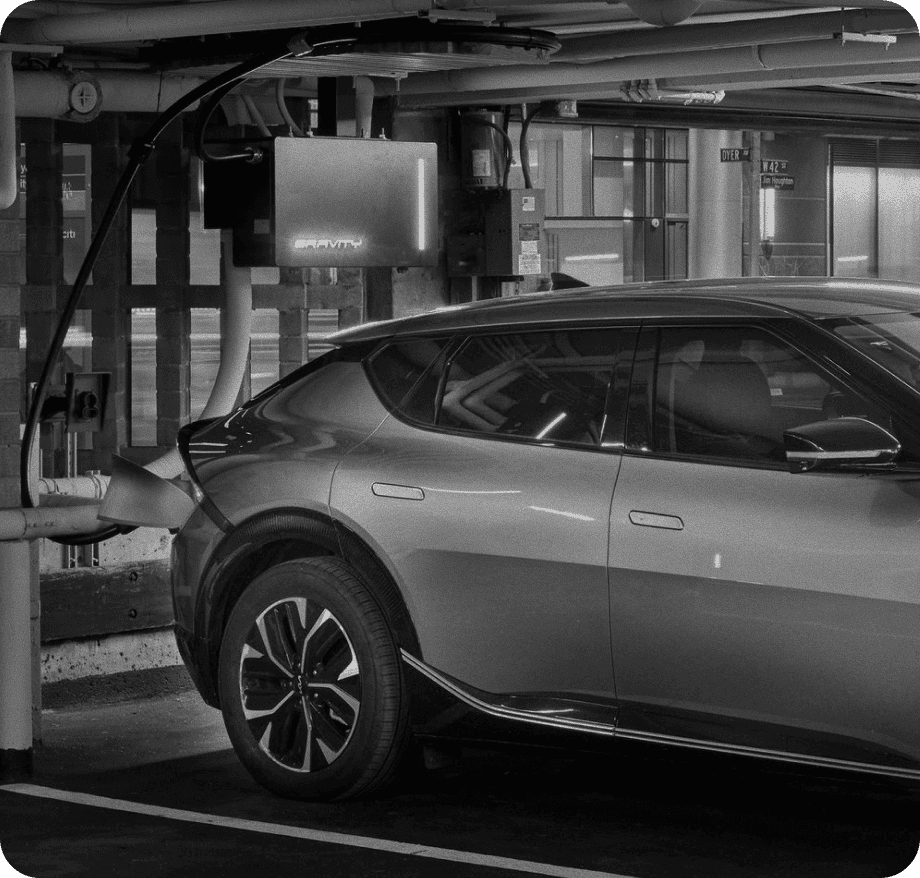
Backed by Google, Gravity operates America’s fastest EV charging network at 500kW. Its distributed energy access points exchange power with the grid to maximize speed and return excess energy during peak demand. This eliminates the need for expensive infrastructure overhauls.
Goal
Build the mobile app to streamline the driver experience and lower the need for on-site attendants.
My role
I owned the full product lifecycle, from initial discovery and design to overseeing customer experience.
Audience
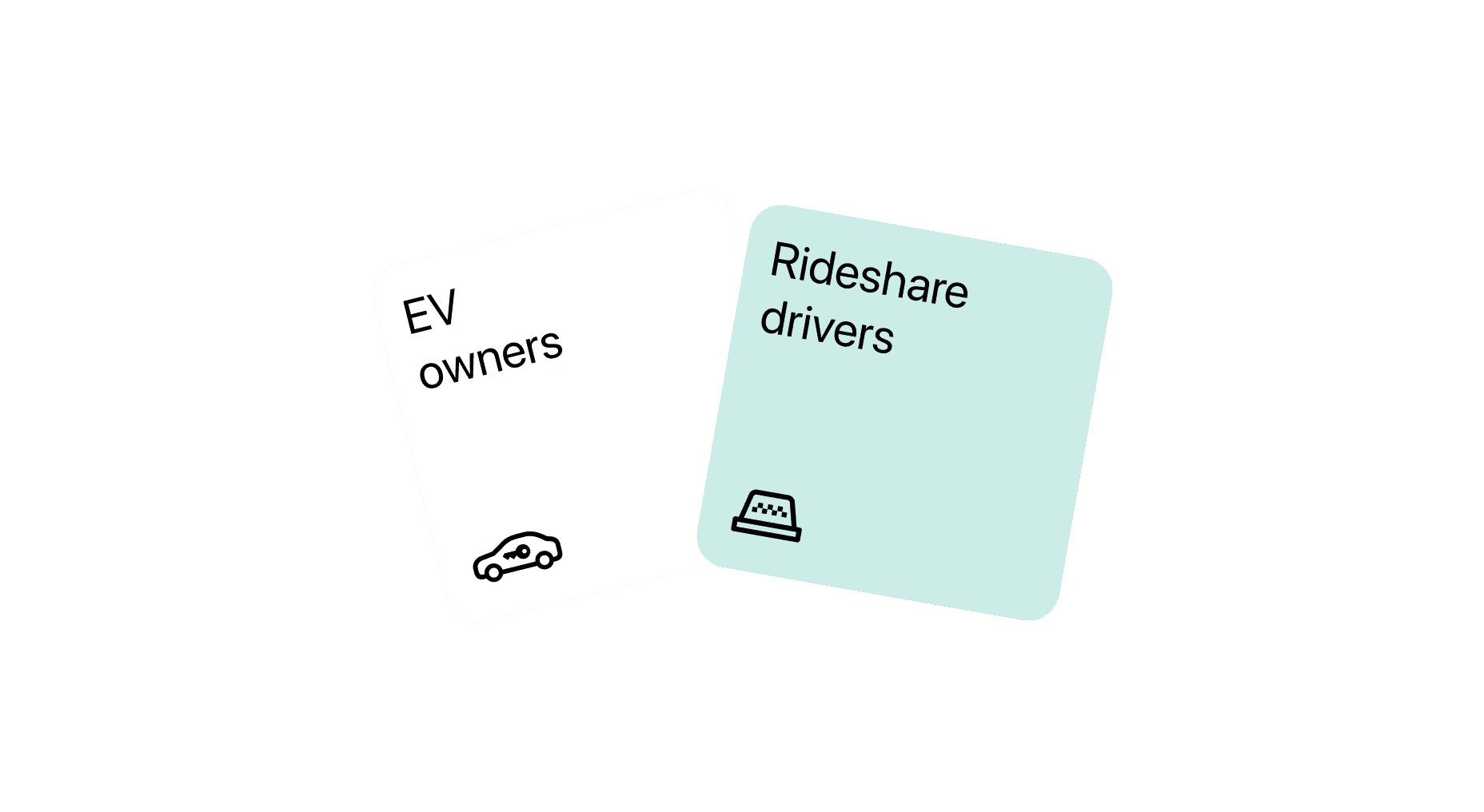
From the start, we aligned on Gravity’s key user personas. It was crucial to provide the best experience for both groups, considering their language preferences, charging habits, and levels of tech-savviness. EV owners: fluent in English, tech-savvy, typically charge before or after work (9–5) Rideshare drivers: limited English proficiency, less tech-savvy, charge multiple times throughout the day.
Audience
From the start, we aligned on Gravity’s key user personas. It was crucial to provide the best experience for both groups, considering their language preferences, charging habits, and levels of tech-savviness. EV owners: fluent in English, tech-savvy, typically charge before or after work (9–5) Rideshare drivers: limited English proficiency, less tech-savvy, charge multiple times throughout the day.
Research
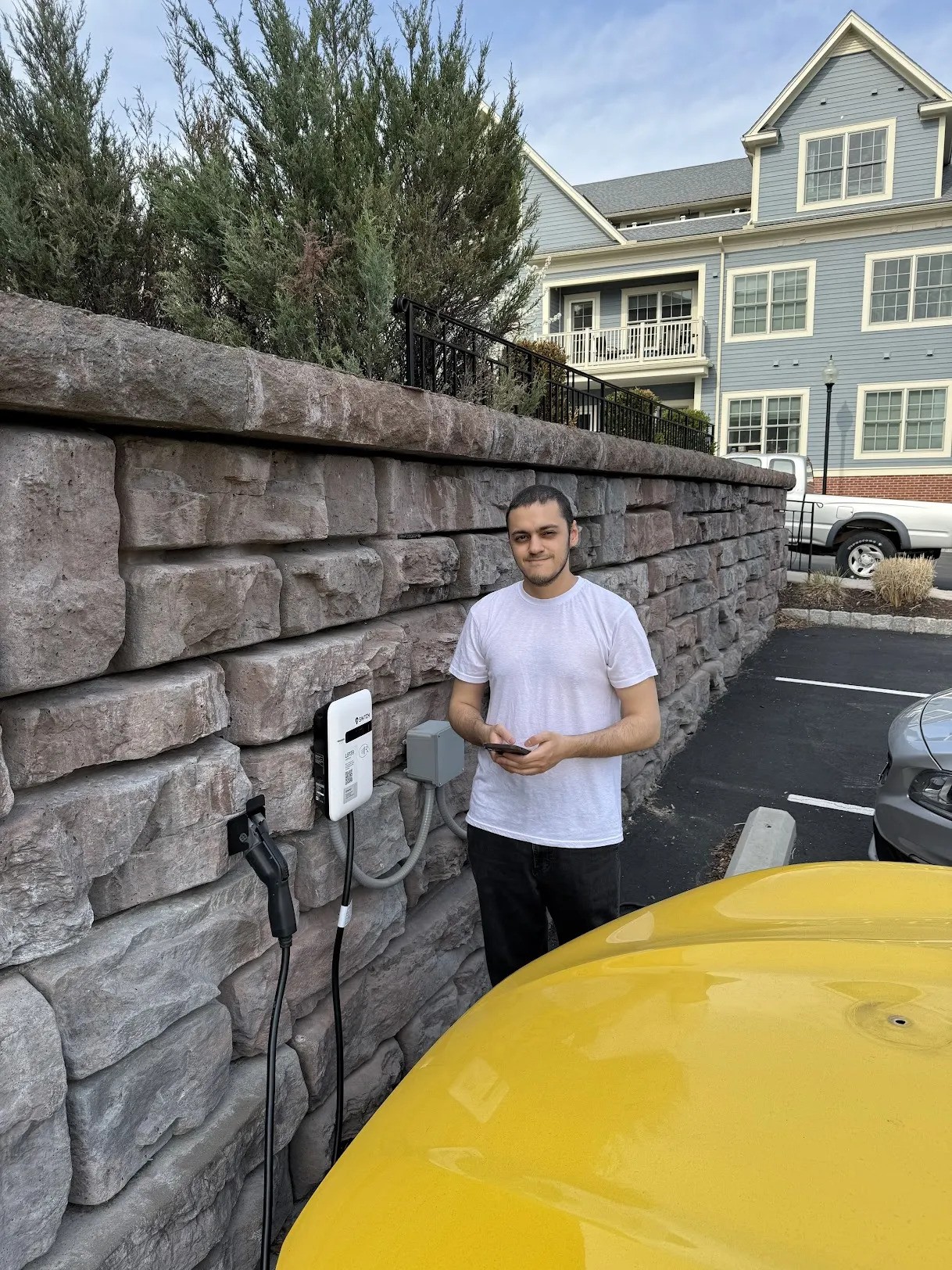
I've started my journey with speaking with the team and conducting user interviews with drivers. I've found that: Gravity had one charging station with an on-site attendants, limiting scalability. 1/3 of drivers don't speak English, creating communication challenges. Confusing payment process: drivers had to pre-select charging amounts. Growing transaction disputes due to unexpected idle fees.
Research
I've started my journey with speaking with the team and conducting user interviews with drivers. I've found that: Gravity had one charging station with an on-site attendants, limiting scalability. 1/3 of drivers don't speak English, creating communication challenges. Confusing payment process: drivers had to pre-select charging amounts. Growing transaction disputes due to unexpected idle fees.
Visual explorations
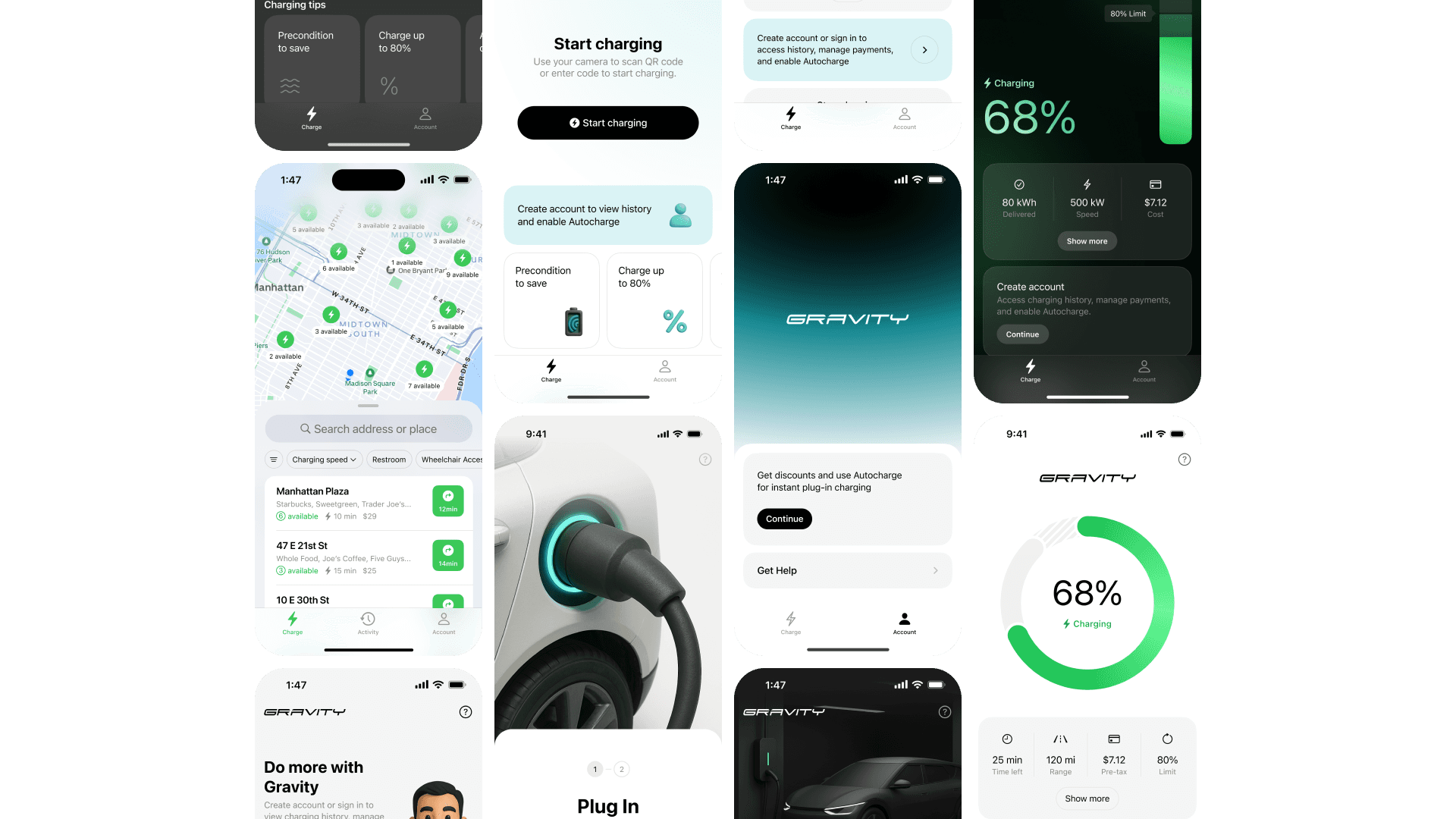
Once the wireframes were ready, approved by the team, and tested with drivers, I moved on to defining the visual design aligned with Gravity’s brand voice and style. One direction I was exploring is having the vertical charging progress bar, similar to the way it’s shown on chargers IRL. Although, after some exploring different touch points, it appeared that vertical bar is less scalable. For example vertical bar can’t be shown nicely in Live Activity on user’s lock screen. Thus, I chose horizontal bar for better consistency.
Visual explorations
Once the wireframes were ready, approved by the team, and tested with drivers, I moved on to defining the visual design aligned with Gravity’s brand voice and style. One direction I was exploring is having the vertical charging progress bar, similar to the way it’s shown on chargers IRL. Although, after some exploring different touch points, it appeared that vertical bar is less scalable. For example vertical bar can’t be shown nicely in Live Activity on user’s lock screen. Thus, I chose horizontal bar for better consistency.
Final design
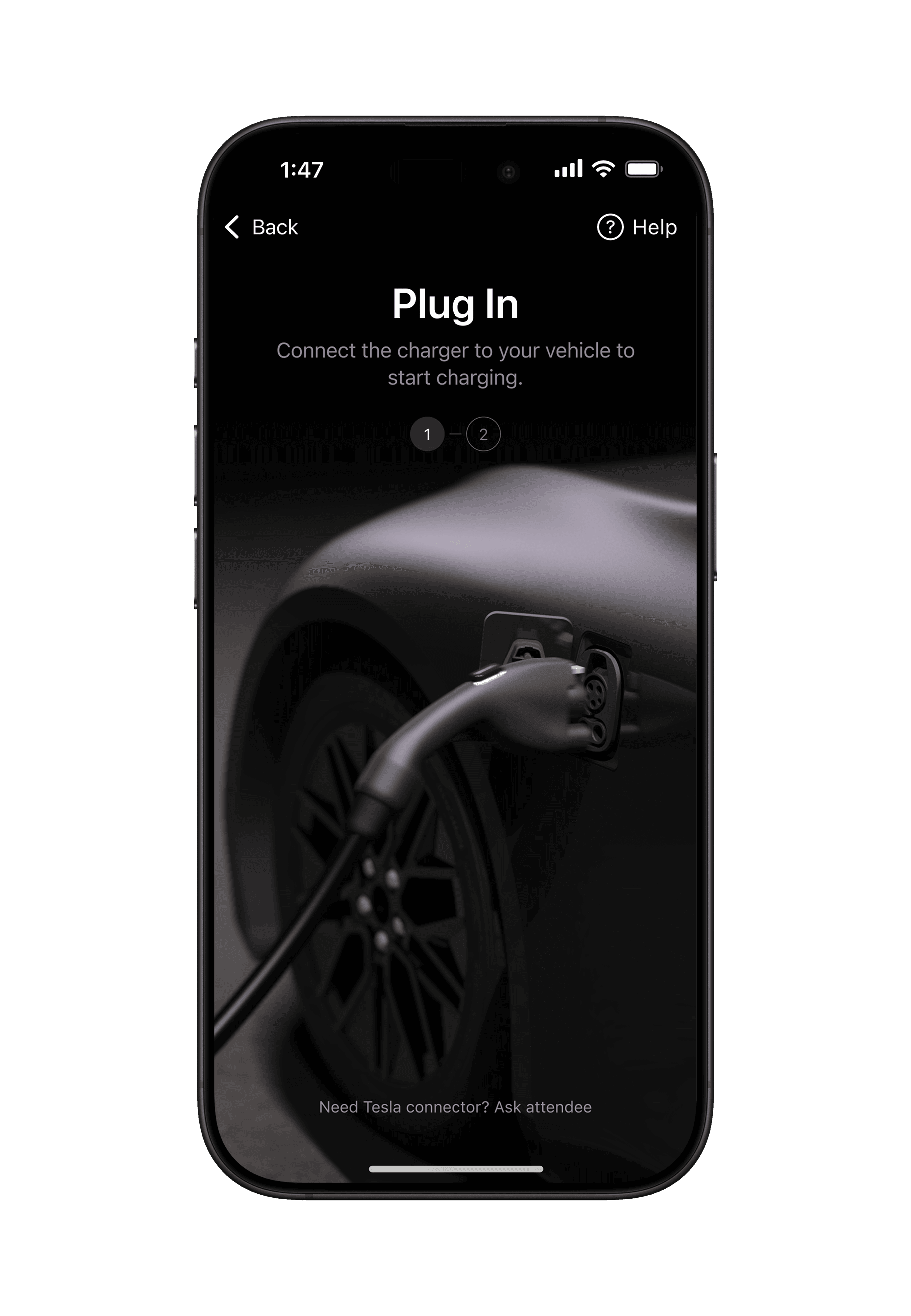
After multiple iterations, it was decided to have the style that feels premium aligning with Gravity existing branding. That direction led to balanced mix of dark and light layout, keeping the premium look, yet keeping good readability.
Plug in
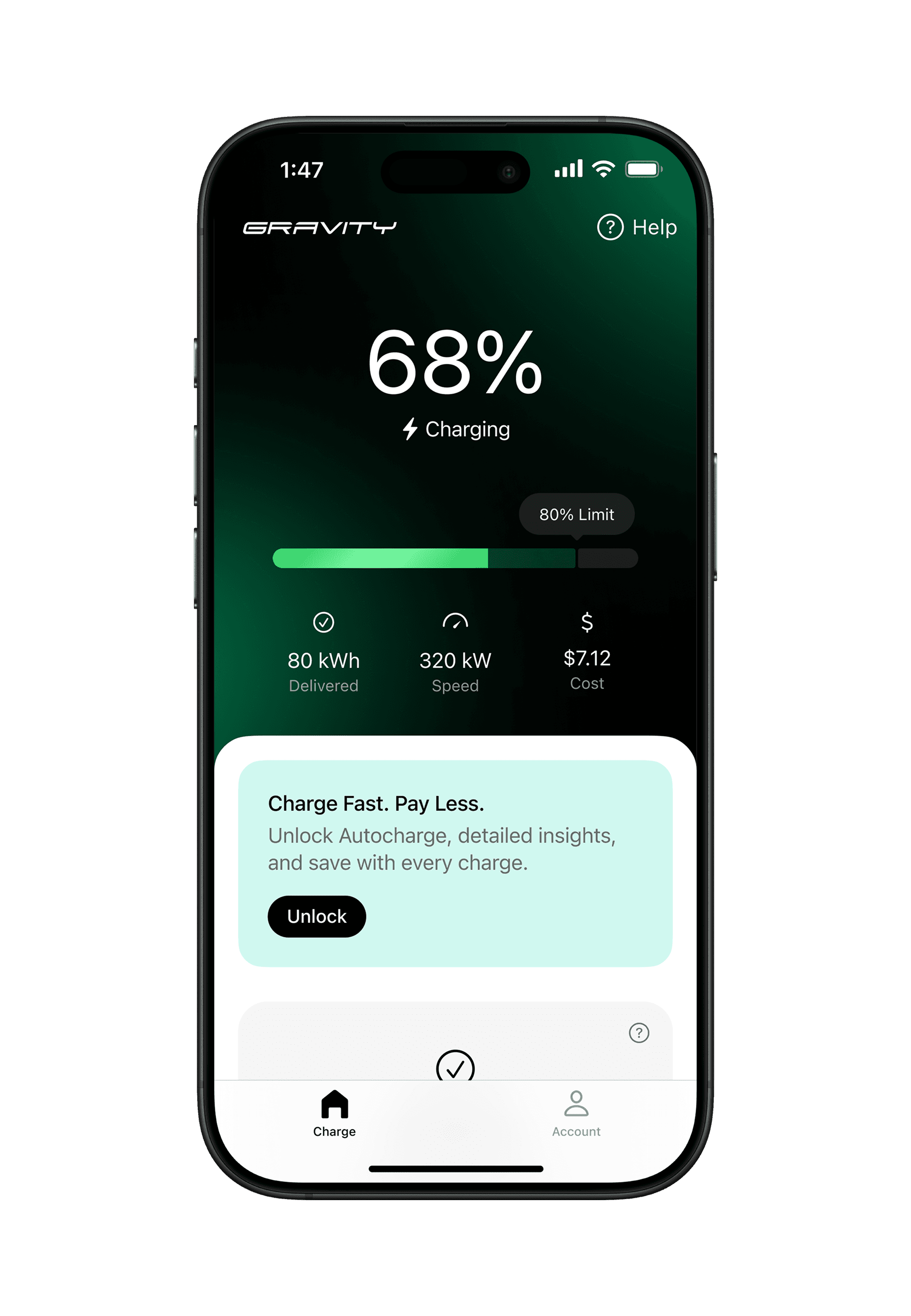
Active charging
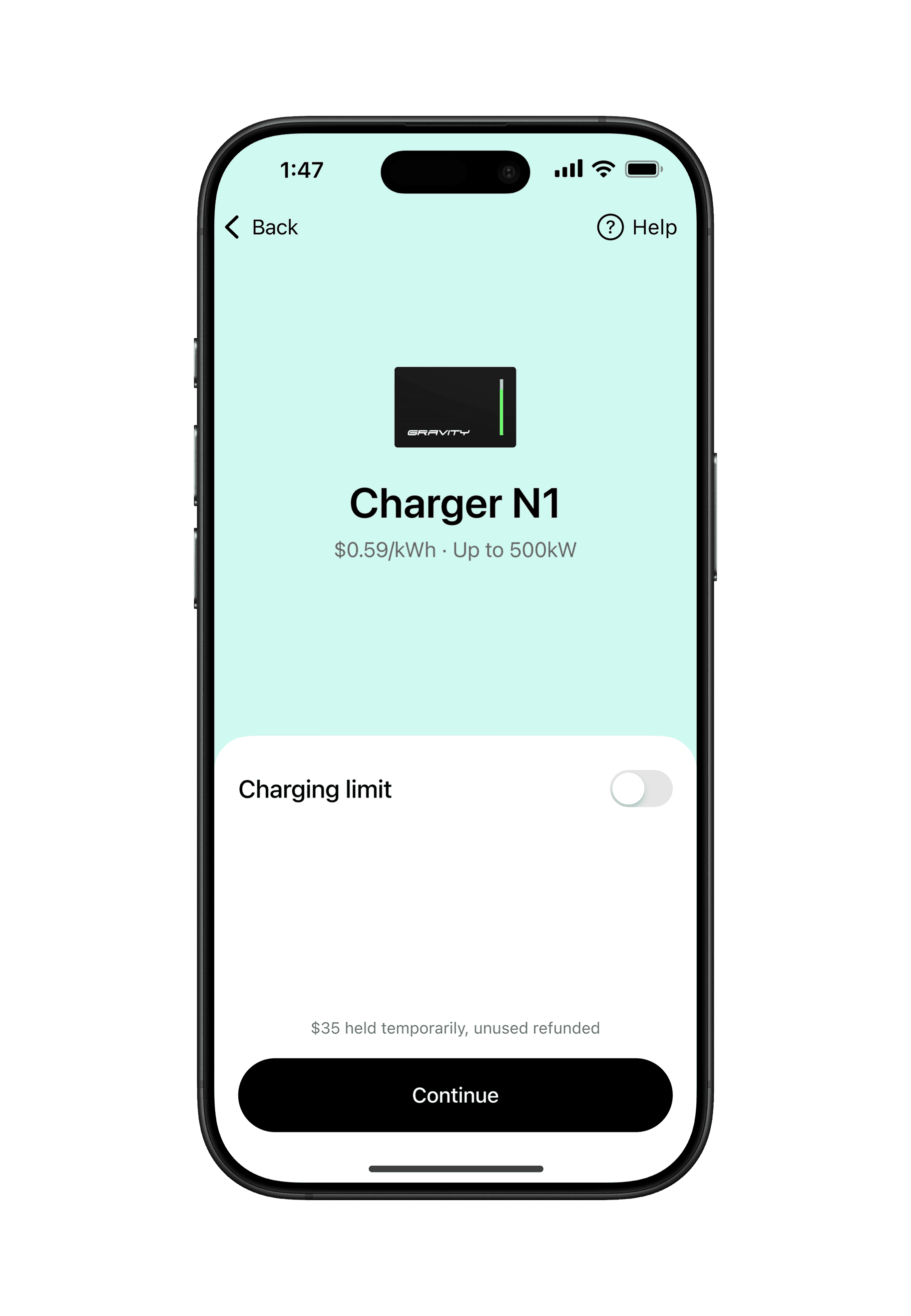
Confirming charger
Final design
After multiple iterations, it was decided to have the style that feels premium aligning with Gravity existing branding. That direction led to balanced mix of dark and light layout, keeping the premium look, yet keeping good readability.
Confirming charger
Plug in
Active charging
More flows
For drivers conveniences, I have also designed Live Activity widgets that appear on the lock screen displaying the charging progress and possible issues occurring during charging such as power problem, idle fees and others.
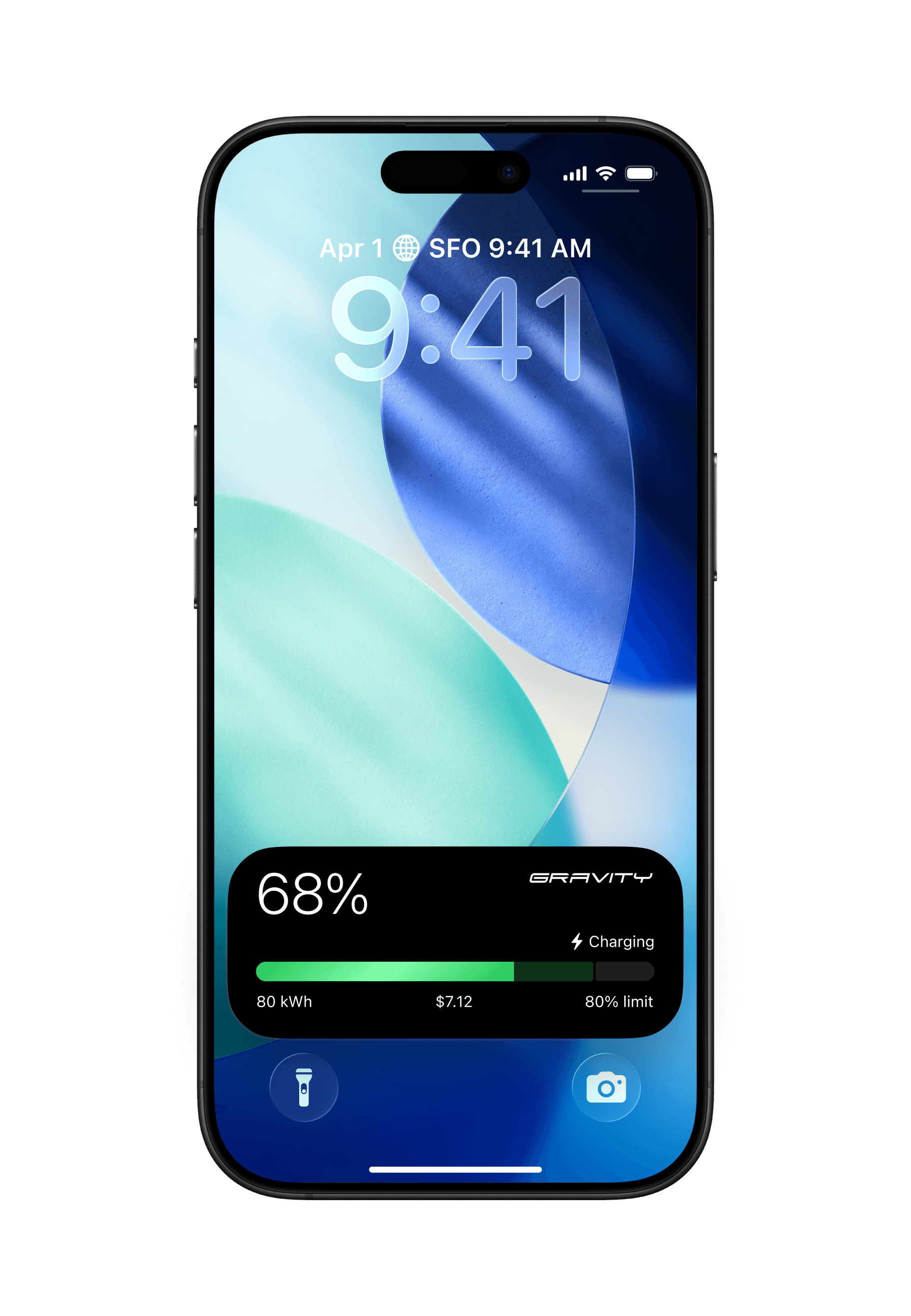
Live Activity

Account page
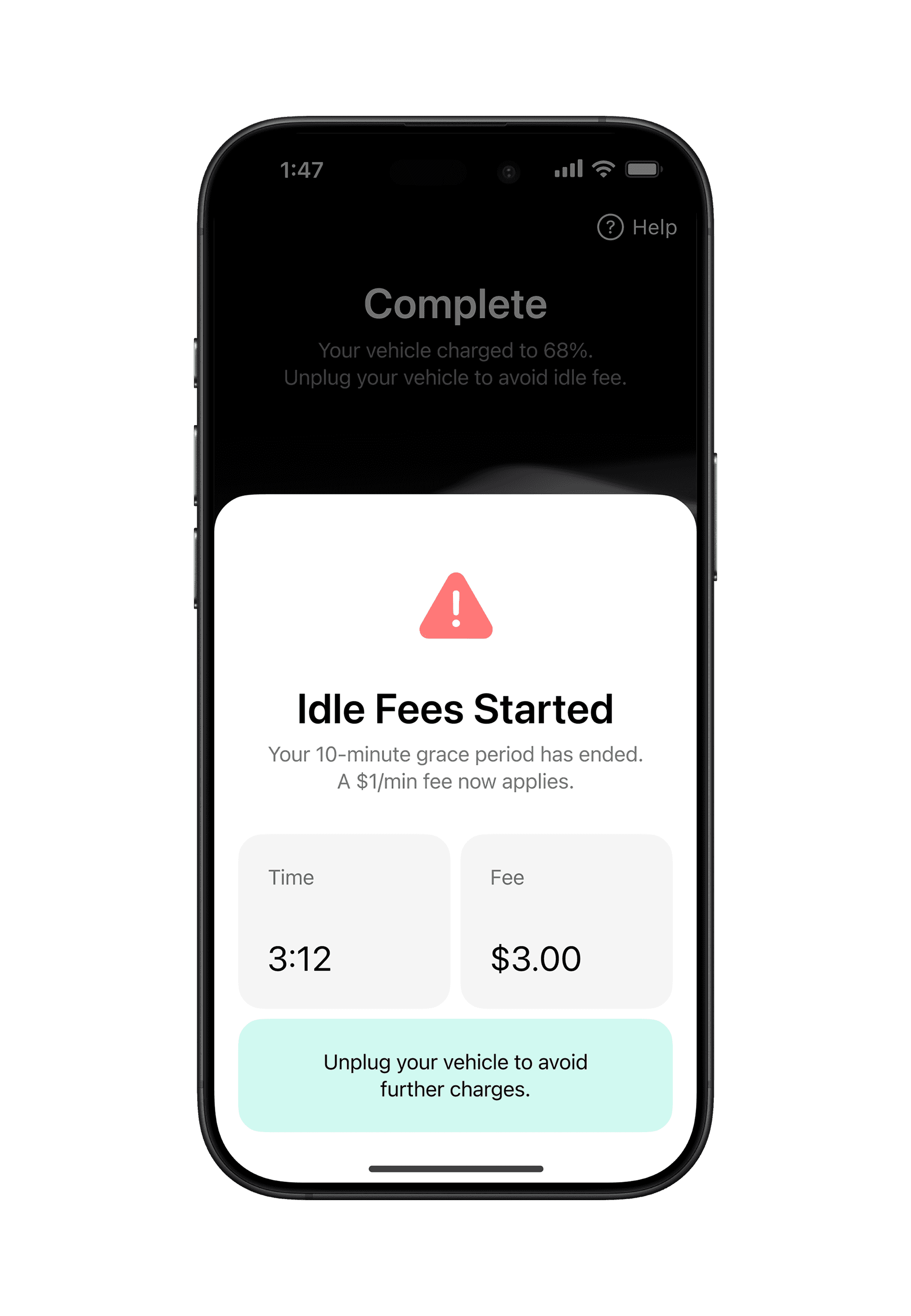
Idle fees
More flows
For drivers conveniences, I have also designed Live Activity widgets that appear on the lock screen displaying the charging progress and possible issues occurring during charging such as power problem, idle fees and others.
Idle fees
Live Activity
Account page
Design system
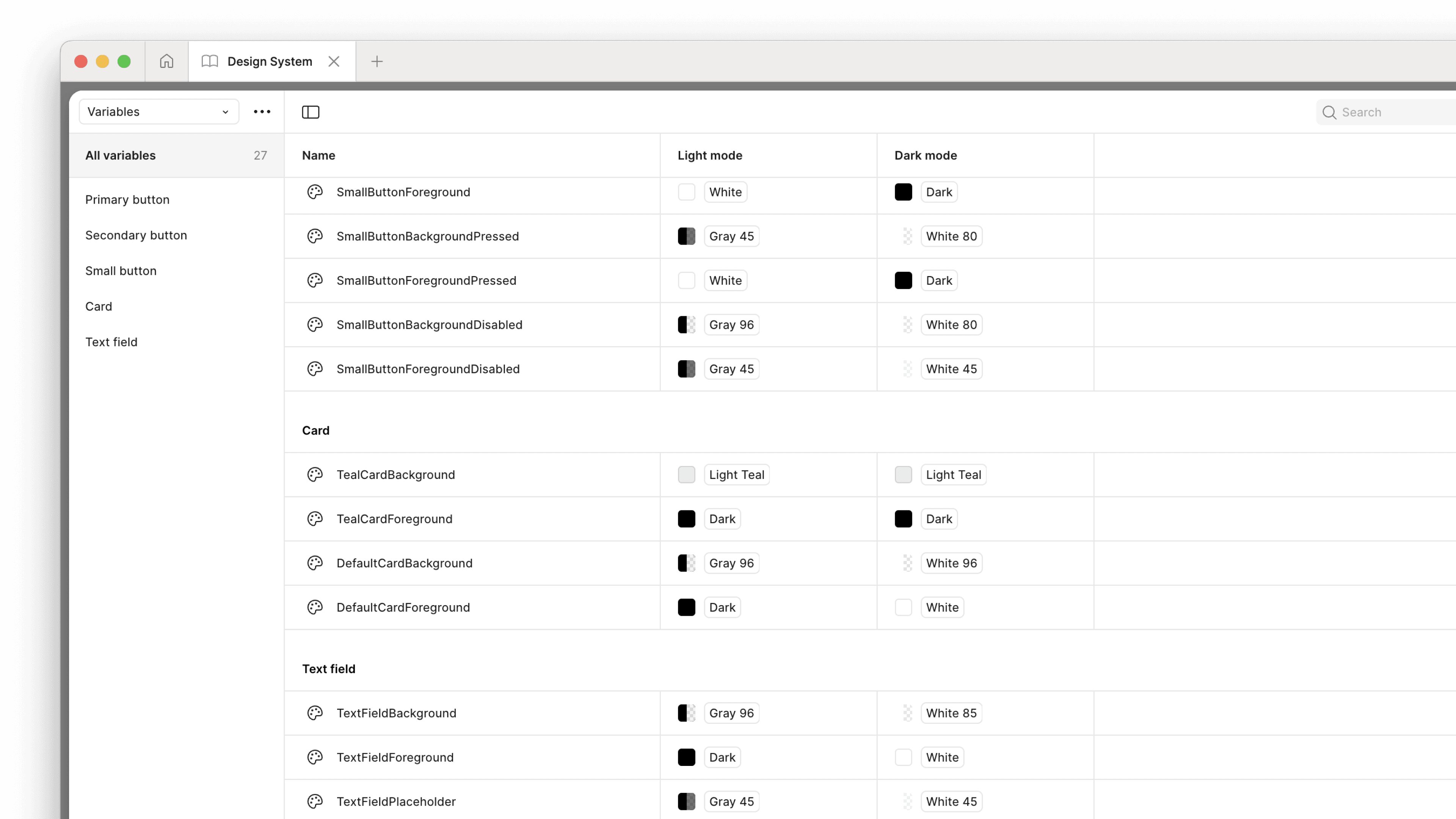
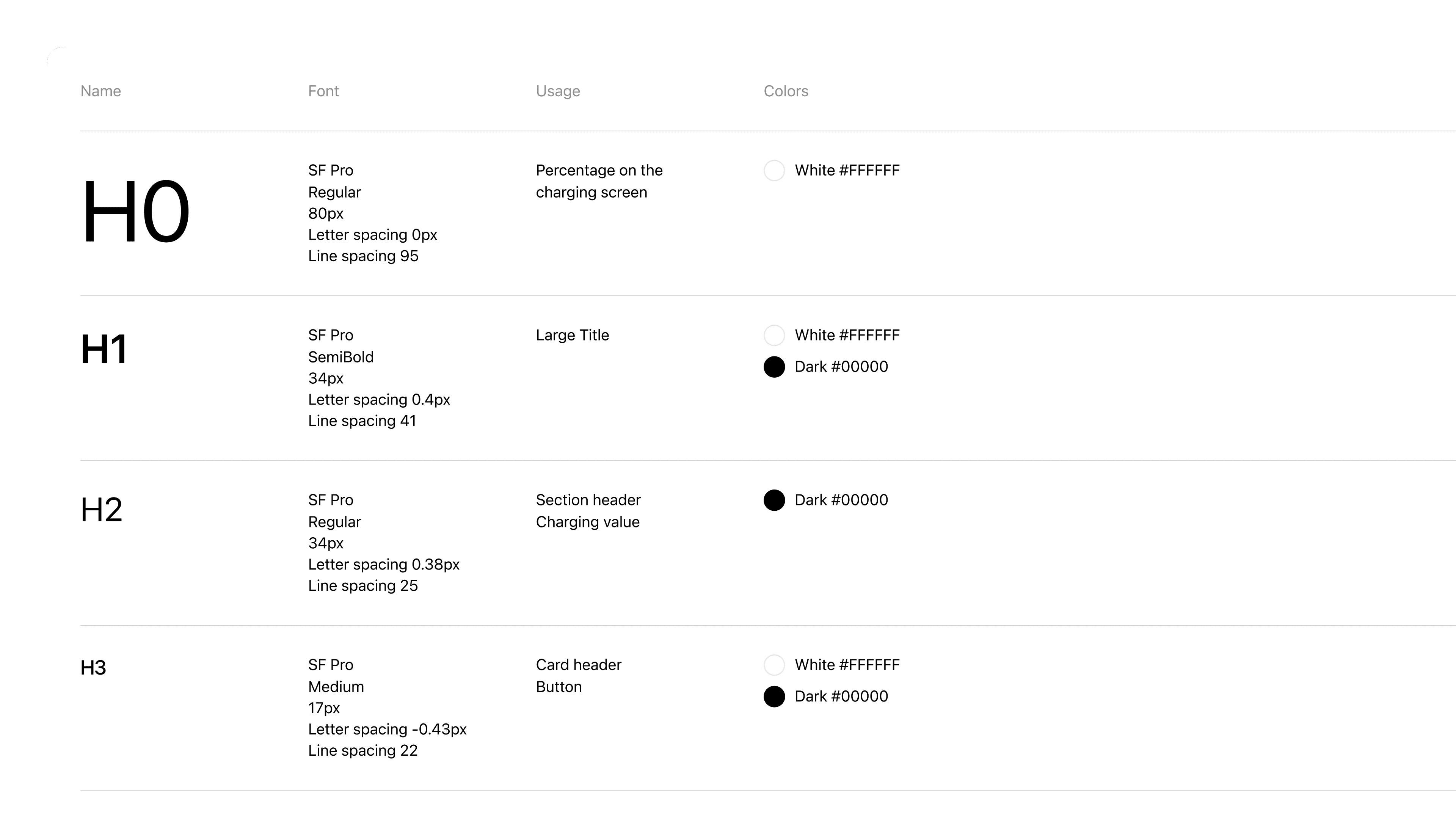
I built the design system featuring typography, color styles, layouts, components and variables for fast implementations of new designs. Variables were built with collaboration with iOS engineer so that we could use the same variable names in the code.
Design system
I built the design system featuring typography, color styles, layouts, components and variables for fast implementations of new designs. Variables were built with collaboration with iOS engineer so that we could use the same variable names in the code.
Remedies
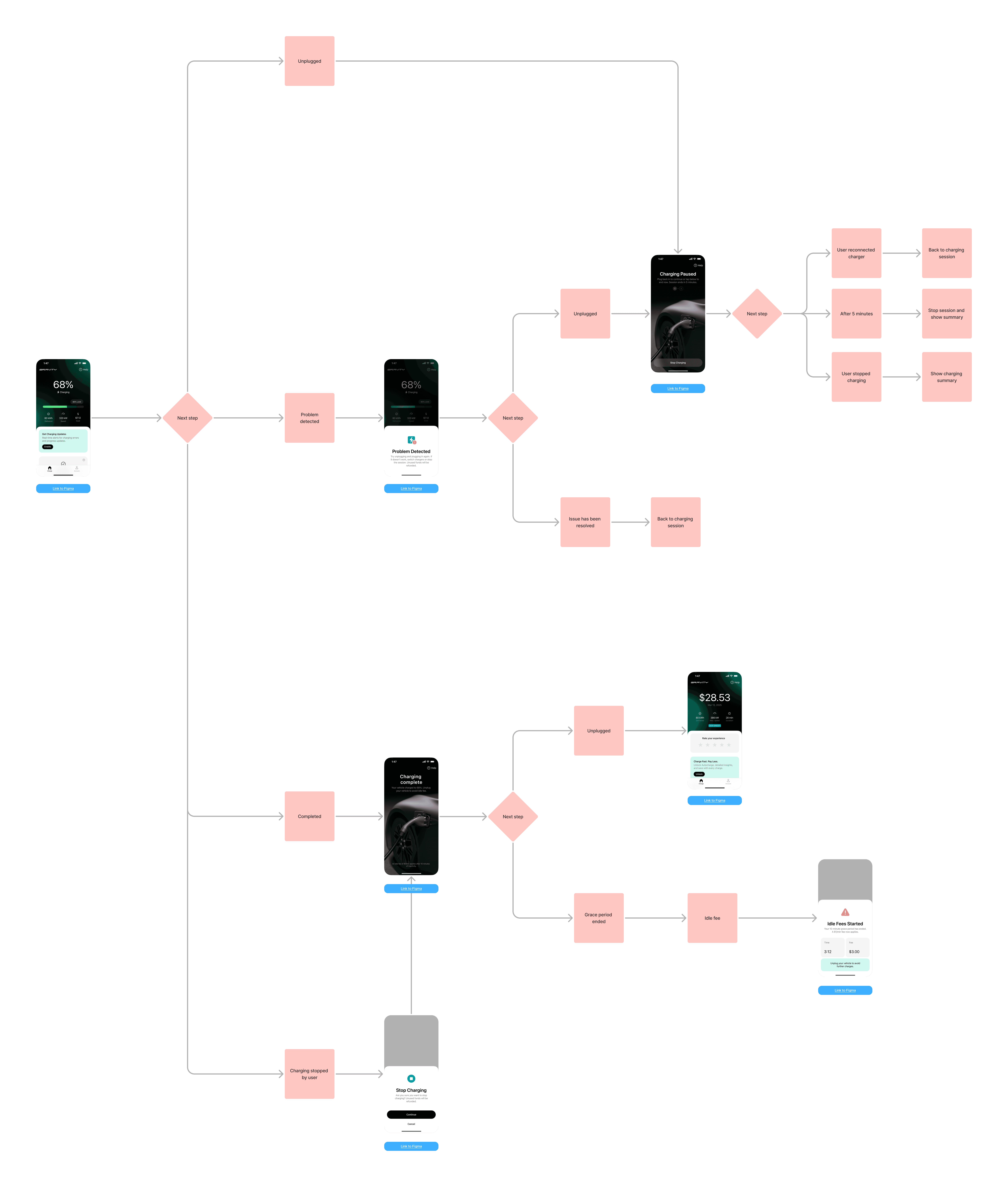
Once the main flow was designed and improved based on feedback from the team and customers, I built the map with different remedies such as payment issues, power problems, plug issues, unexpected disconnections, and others.
Remedies
Once the main flow was designed and improved based on feedback from the team and customers, I built the map with different remedies such as payment issues, power problems, plug issues, unexpected disconnections, and others.
Signage
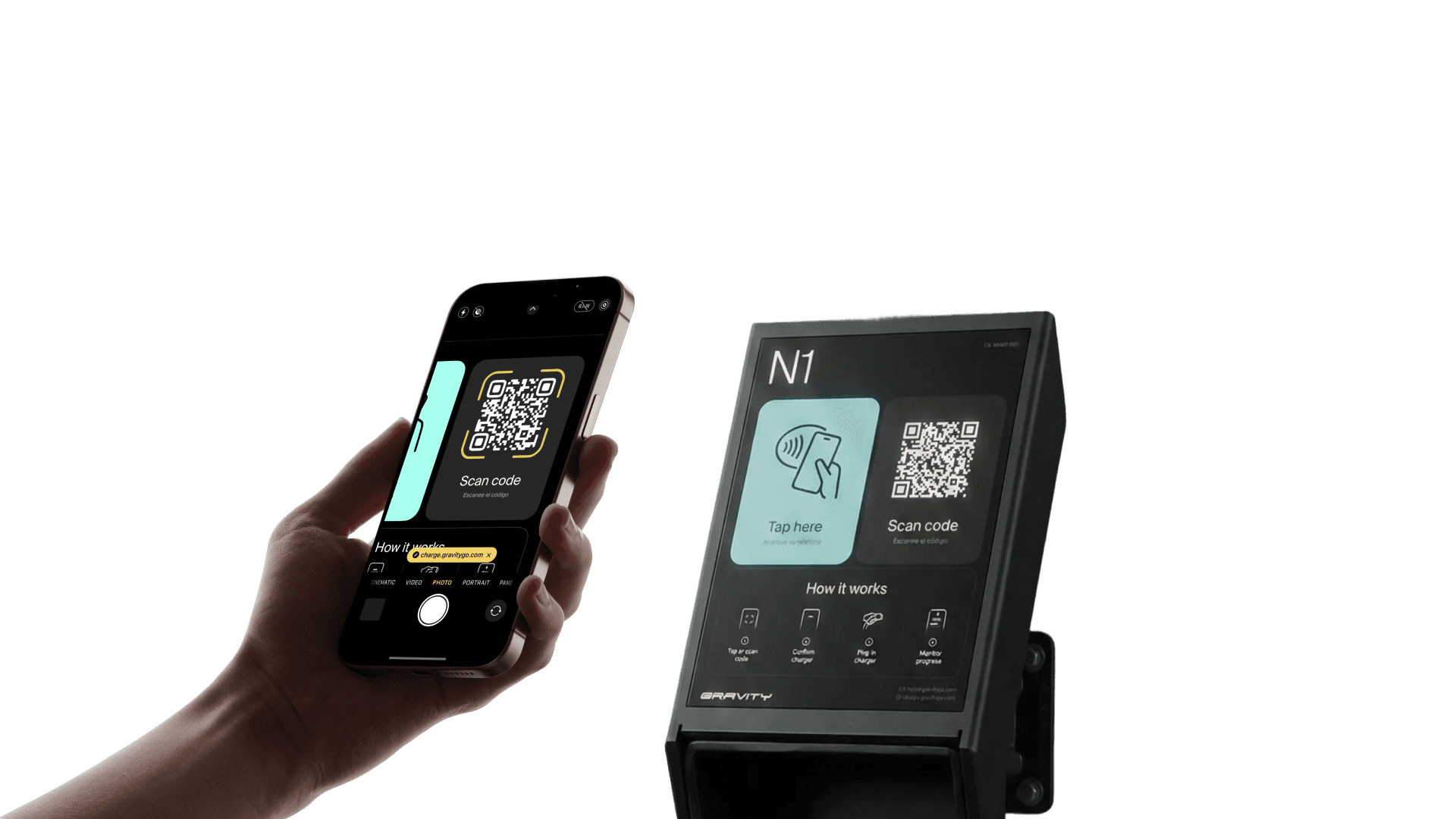
Led the end-to-end design and deployment of durable charging station signage to improve driver usability. Over a one-month sprint, I conducted industry research, collaborated with engineering on hardware integration, validated prototypes on-site, and managed final production.
Signage
Led the end-to-end design and deployment of durable charging station signage to improve driver usability. Over a one-month sprint, I conducted industry research, collaborated with engineering on hardware integration, validated prototypes on-site, and managed final production.
Leveraging AI
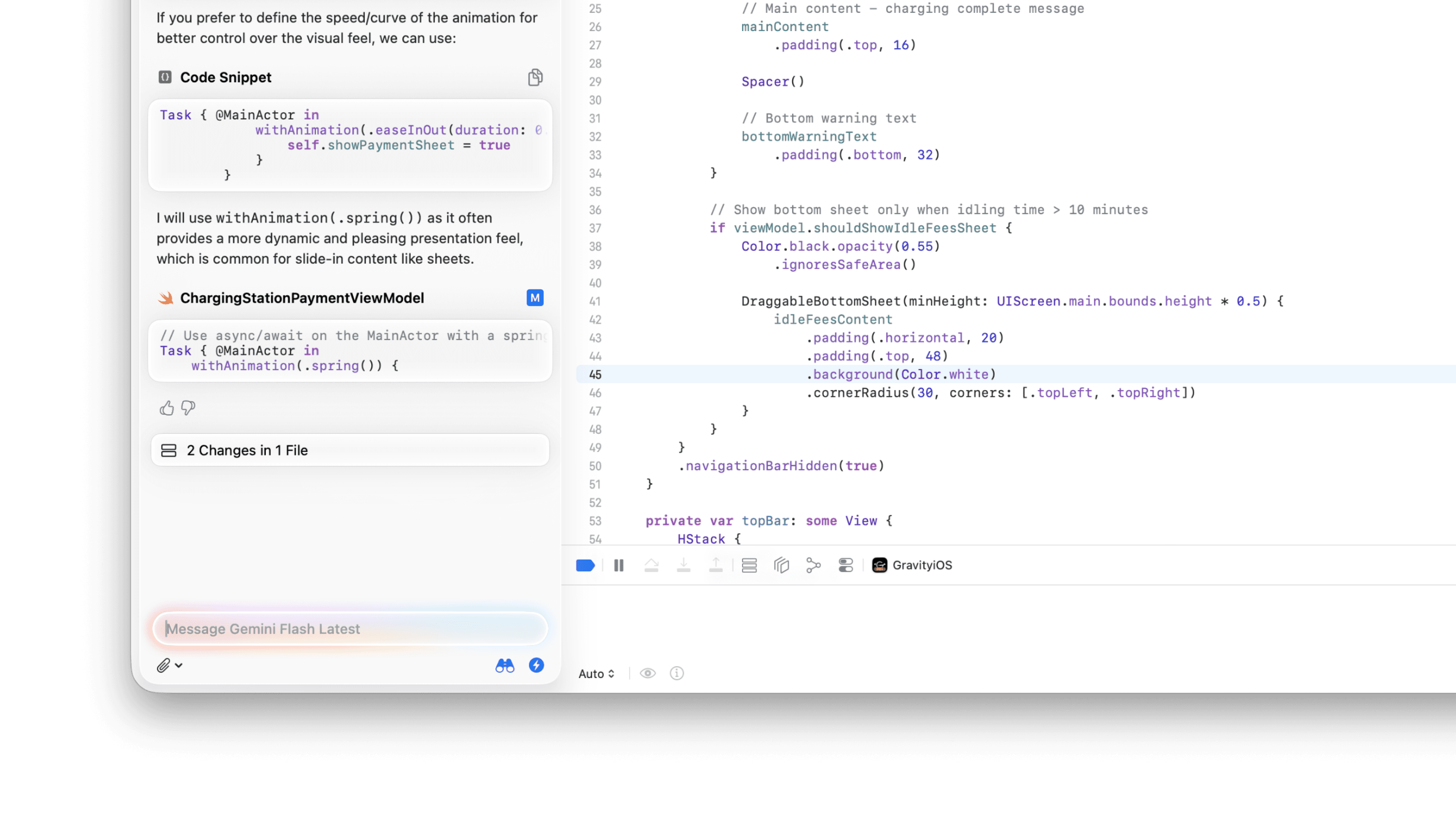
I accelerate product development by using AI to transform sketches into visual concepts and building functional prototypes in Cursor powered by real backend data. From implementing micro-animations to shipping UI fixes, I leverage Xcode 26 to push high-polish changes directly to production, drastically reducing the time from ideation to launch.
Leveraging AI
I accelerate product development by using AI to transform sketches into visual concepts and building functional prototypes in Cursor powered by real backend data. From implementing micro-animations to shipping UI fixes, I leverage Xcode 26 to push high-polish changes directly to production, drastically reducing the time from ideation to launch.
Learnings
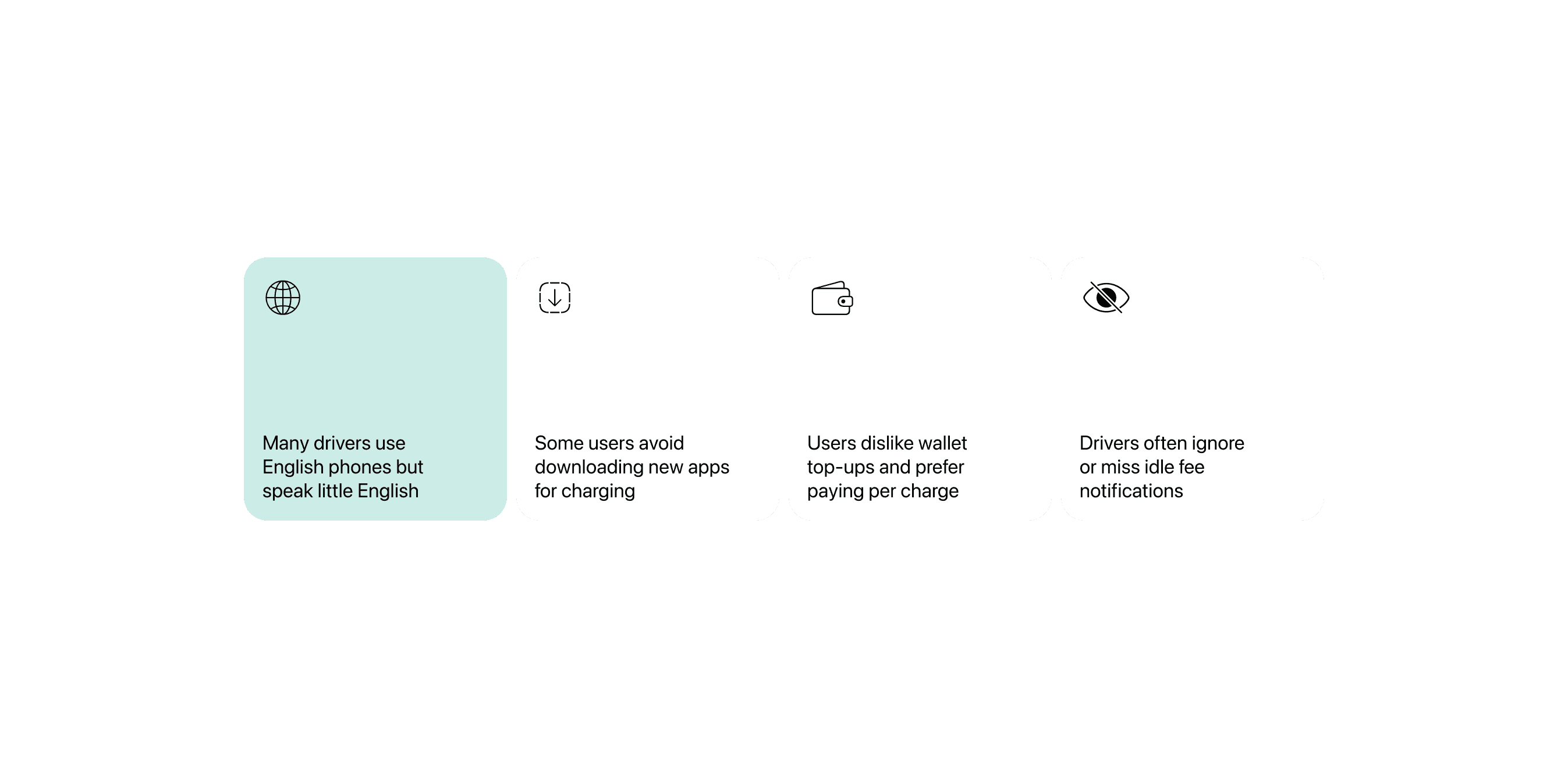
There were many learnings from user interviews and ongoing feedback throughout the project. These insights pushed us to refine Gravity’s brand voice toward clearer, simpler language and more intuitive flows. The focus shifted to reducing cognitive load while staying transparent and upfront about charging, pricing, and expectations, so drivers always understand what is happening without needing extra explanation.
Learnings
There were many learnings from user interviews and ongoing feedback throughout the project. These insights pushed us to refine Gravity’s brand voice toward clearer, simpler language and more intuitive flows. The focus shifted to reducing cognitive load while staying transparent and upfront about charging, pricing, and expectations, so drivers always understand what is happening without needing extra explanation.